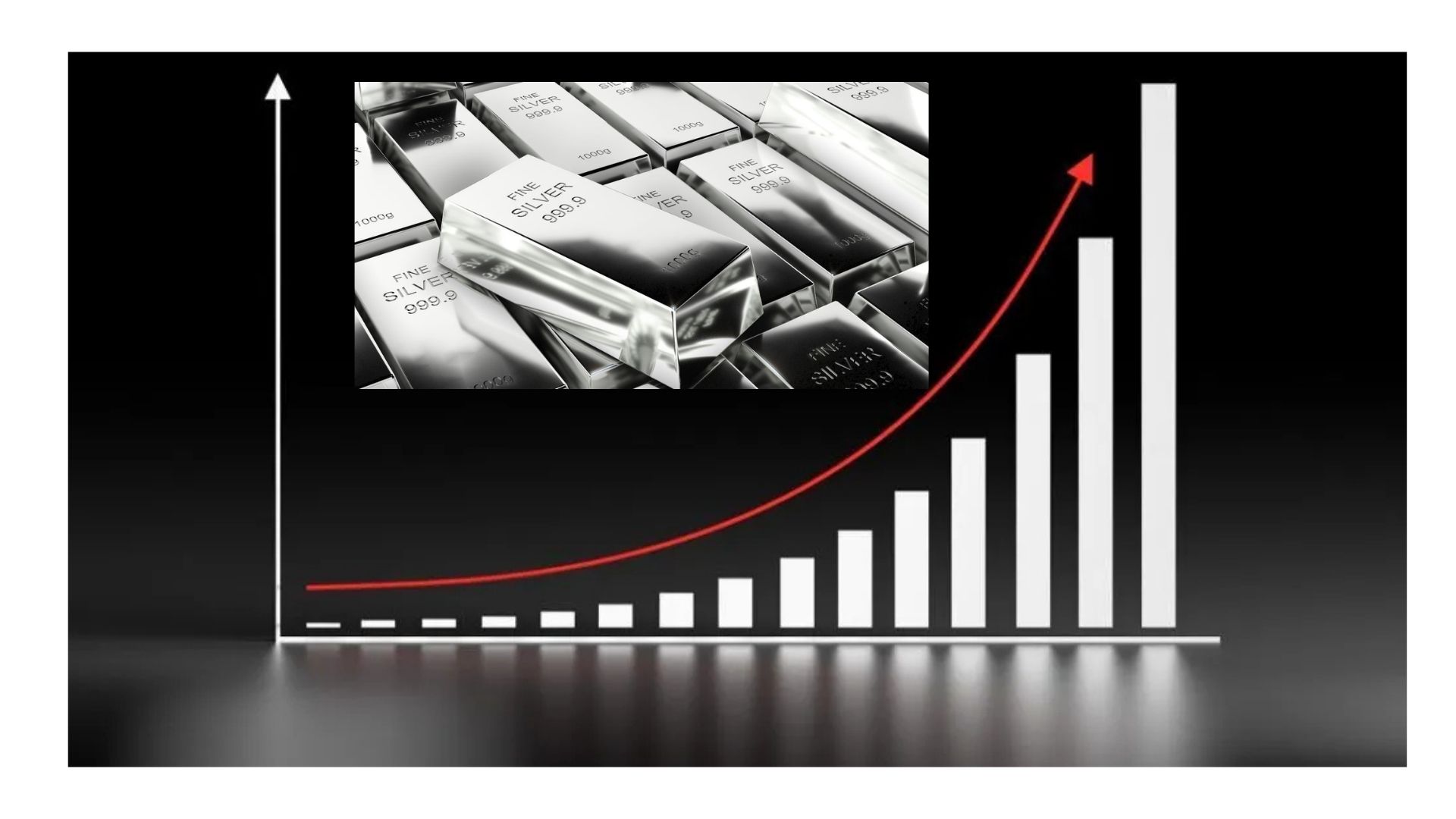
Consider, for a moment, the quiet metal that has long moved in the shadows of its more illustrious cousin, gold. Today, that metal—silver—is stepping decisively into the light, not with a glimmer, but with a blazing rally that commands the attention of investors, industrialists, and policymakers alike. This is no mere speculative blip. The sustained climb in the price of silver is a direct and eloquent reflection of the profound economic and technological crosscurrents shaping our world.
Adding to the frenzy, silver today touched a new milestone, soaring to ₹290 per gram. Silver has posted stellar gains in 2025, surging more than 150% year to date and decisively outperforming equities and most other asset classes. International silver prices are up 158% so far this year, far outpacing gold, which has risen nearly 72% over the same period. In the domestic market, spot silver prices have climbed 156% year to date, compared with an 80% increase in spot gold.
At its core, this surge is a tale of dual identities. On one hand, silver remains a premier monetary metal, a haven in times of uncertainty. With global debt at staggering levels, inflation proving stubborn, and geopolitical tensions simmering, the instinct to seek tangible assets is resurgent. As central banks signal a pivot away from aggressive rate hikes, the opportunity cost of holding a non-yielding asset like silver diminishes, making its historical role as a store of value intensely relevant once more.
Yet, to view this rally solely through a financial lens is to miss the more powerful, structural force at play. Silver is the indispensable industrial metal of our new age. We are embarked on a global, government-mandated transition to a green economy, and silver sits at its very heart. It is critical to photovoltaic cells in solar panels, a vital component in every electric vehicle, and essential to the sprawling infrastructure of 5G and artificial intelligence. This demand is not cyclical; it is foundational and accelerating. We are building our future with silver, and the market is only now fully pricing in the sheer scale of that consumption.
Herein lies the critical tension. This booming demand from both finance and industry crashes against a supply chain that is inherently inelastic. The majority of silver supply does not come from dedicated mines; it is a by-product of base metal mining. Its availability is thus tethered to the fortunes of copper, zinc, and lead. Years of supply deficits have drawn down inventories, leaving little buffer for the current demand shock.
Therefore, the daily ascension of the silver price is more than a chart pattern. It is a market signal, a price discovery mechanism grappling with a fundamental re-evaluation. The metal is being pulled in two directions simultaneously: by the ancient fears that drive investors to safe havens, and by the futuristic visions that drive engineers to innovate. This convergence creates a potent and potentially volatile mix.
The implication is clear. We are witnessing a recalibration of what this ancient metal is worth to a world facing unprecedented technological transformation and financial uncertainty. The rally in silver is not just about money; it is a barometer for our collective commitment to a new industrial revolution and a referendum on confidence in the traditional financial order. Its continued trajectory will tell us much about which of these forces—fear of the past or investment in the future—will ultimately hold greater sway.